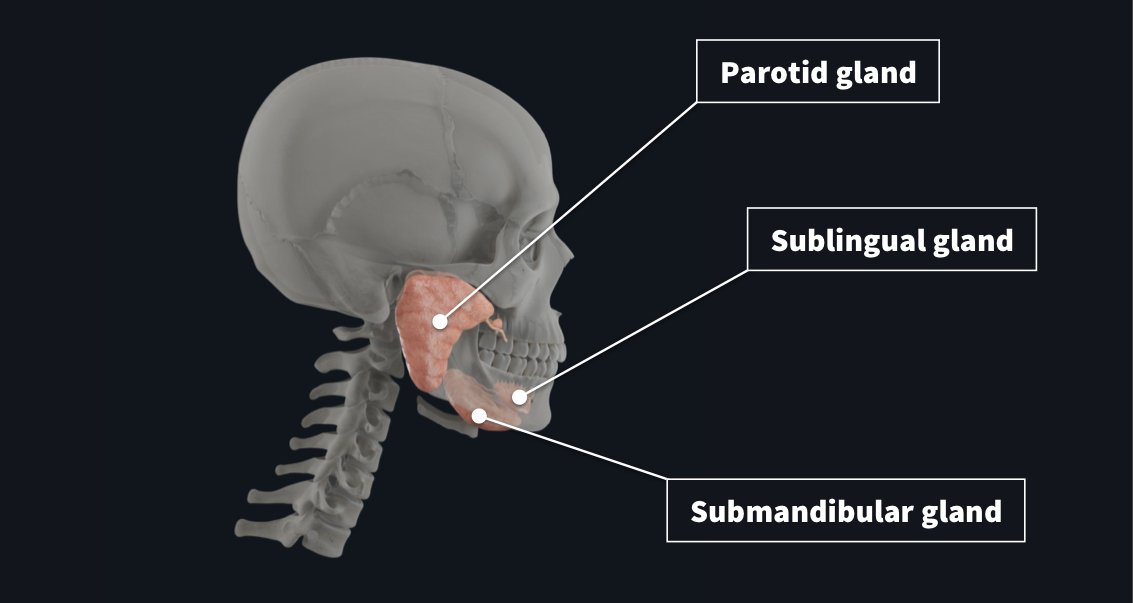
Saliva and the salivary glands

Faded side view of the skull with the major salivary glands highlighted including the parotid gland, sublingual gland and submandibular gland

Every day we produce between 0.5 to 1.5 litres of saliva. ? That equates to about 23,659 litres in a lifetime – enough to fill 2 swimming pools! ? So why do we produce so much saliva? READ POST

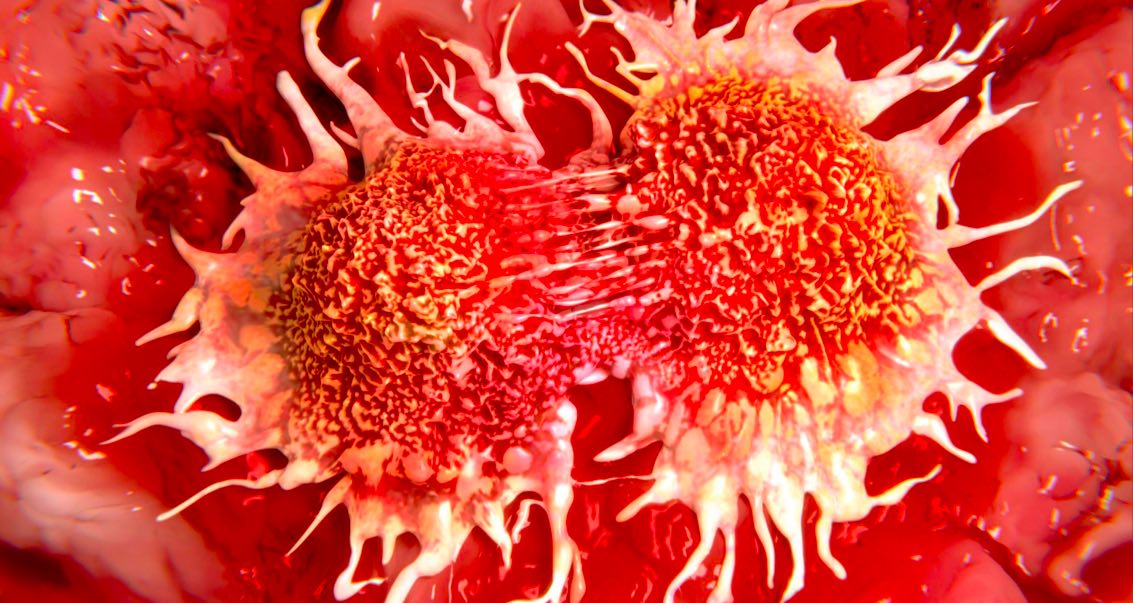
What happens to the cells during cancer

What happens to the cells during cancer

When healthy cells become cancerous, they typically acquire what are known as the six main hallmarks of cancer. These are biological capabilities that allow cancer cells to survive and spread.READ POST

Causes of vision imparement

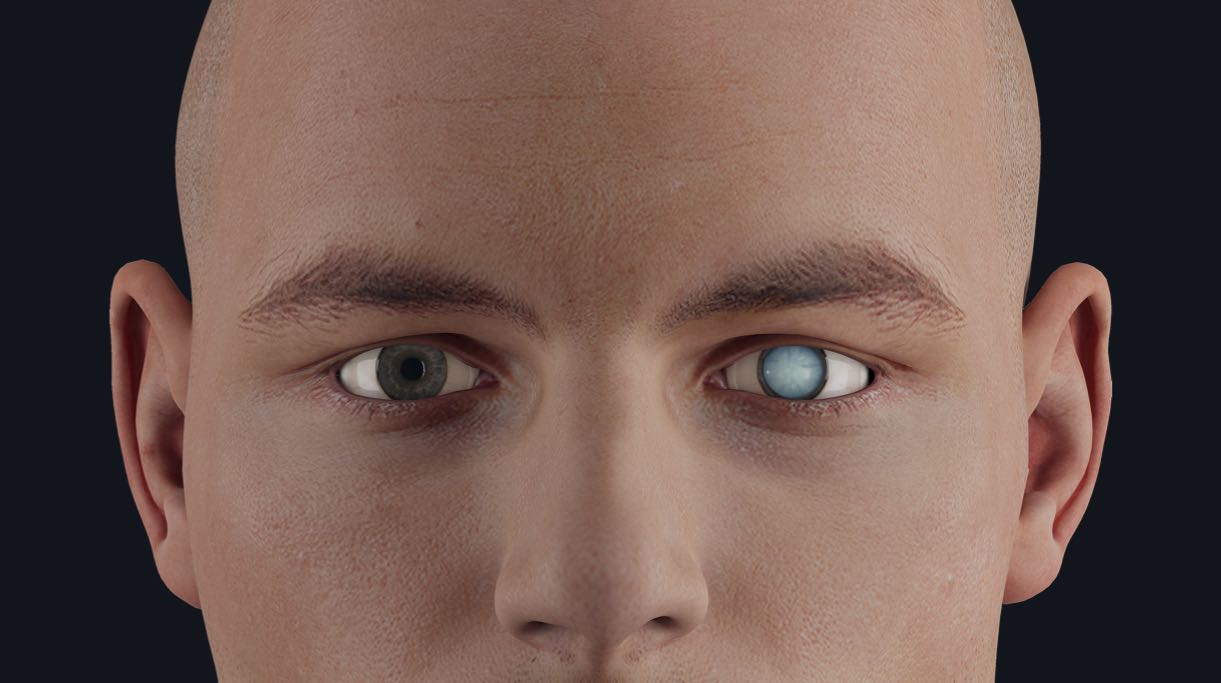
A cataract in the left eye of a male model

Vision impairment is the inability of the eyes to function adequately as a unit. According to the Centers for Disease Control and Prevention (CDC), a visually impaired person’s eyesight cannot be corrected to a ‘normal level.’ READ POST

Rotator cuff tear: The Facts

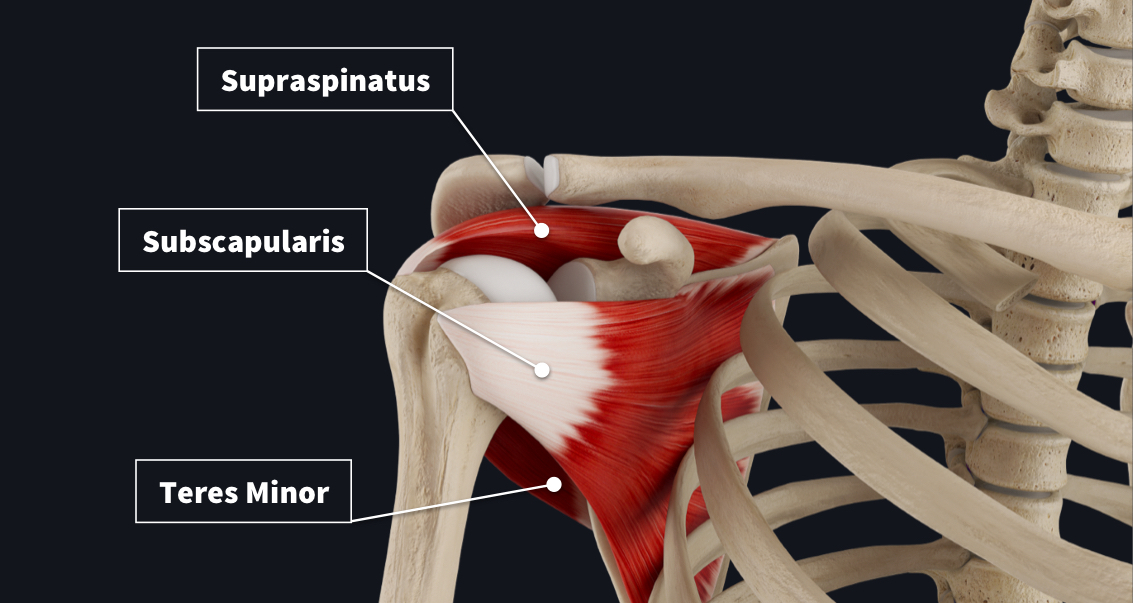
An anterior view of the muscles of the rotator cuff including the Supraspinatus, Subscapularis and Teres Minor muscles

Often rotator cuff injuries are associated with professional athletes, such as pitchers⚾️ and tennis players?. However, a majority of patients are those ages 50 and over.READ POST

Brain-computer interfaces

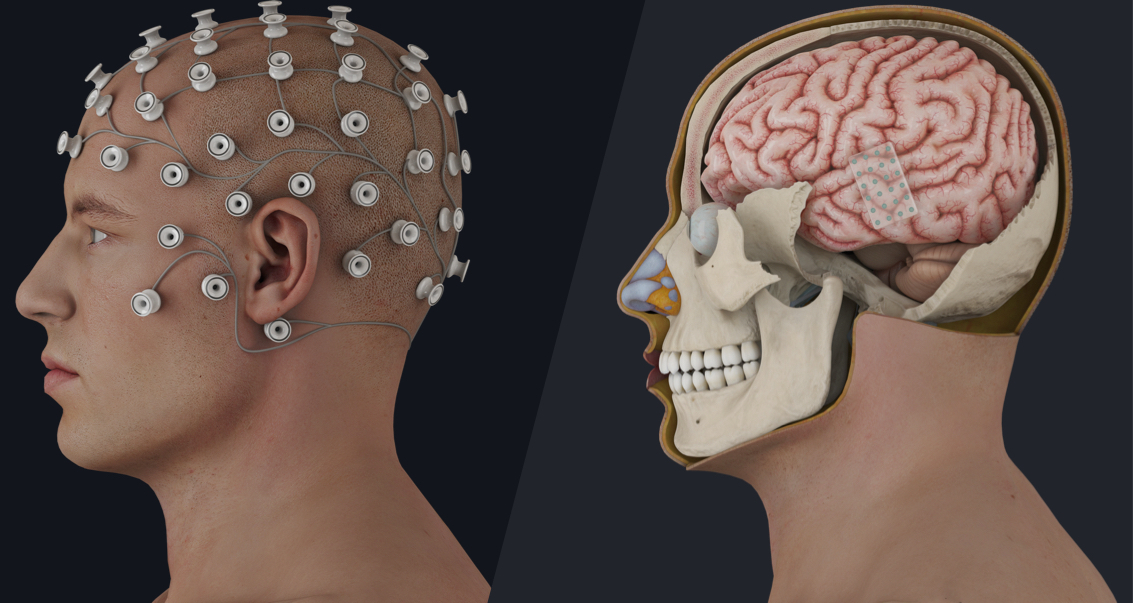
A brain computer interface showing the BCI on the skull and the BCI on the brain

A brain-computer interface (BCI) is a system that provides a communication pathway between the central nervous system (CNS) and an external device. READ POST

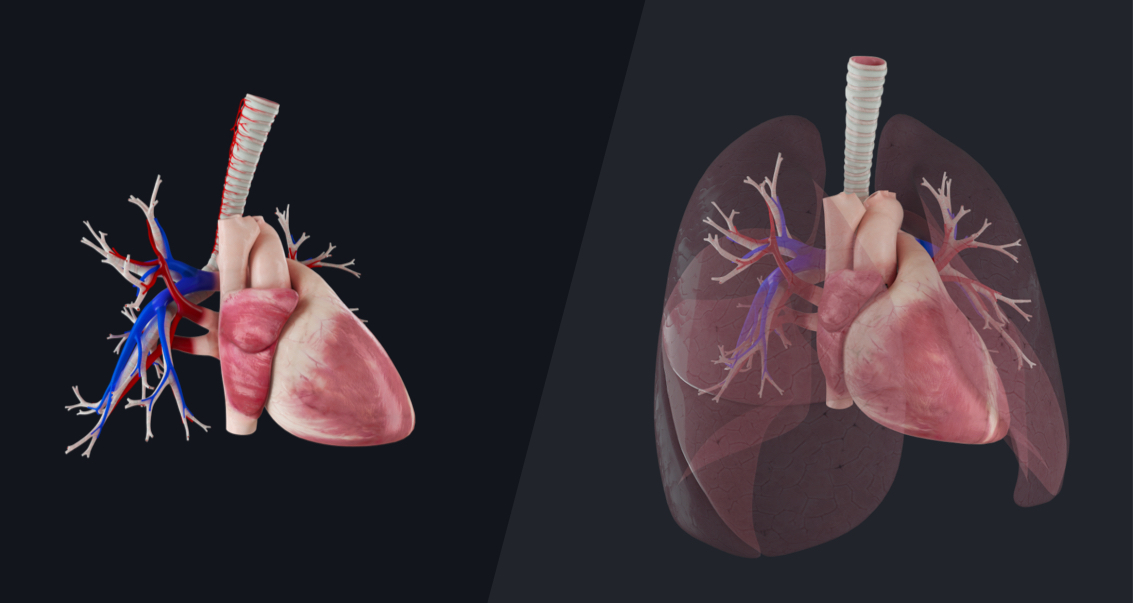
Blood supply to the lungs

Heart and lungs showing blood supply to the lungs

Most biochemical reactions in the body either generate energy or require energy to progress. Cellular organelles and tissues need oxygen to ensure these reactions proceed with ease. READ POST

Loss of smell and COVID-19: explained

Loss of smell and COVID-19: explained

Hyposmia (a decreased ability to smell) or anosmia (an inability to smell), are very common conditions. However, the prevalence of these conditions has increased significantly since the outbreak of COVID-19. READ POST

NEW: Radiology Images

NEW: Radiology Images

Explore a suite of radiology images and correlate their structures to the 3D model. Let’s dive in to find out more!READ POST